18 June 2026
Essential Hiking Gear Checklist for Beginners
Starting your hiking journey is exciting, but bringing the right equipment can determine whether your trip is enjoyable or uncomfortable. Many beginner hikers either carry too much gear or forget important essentials. This guide covers the fundamental equipment every hiker should consider before hitting the trail.
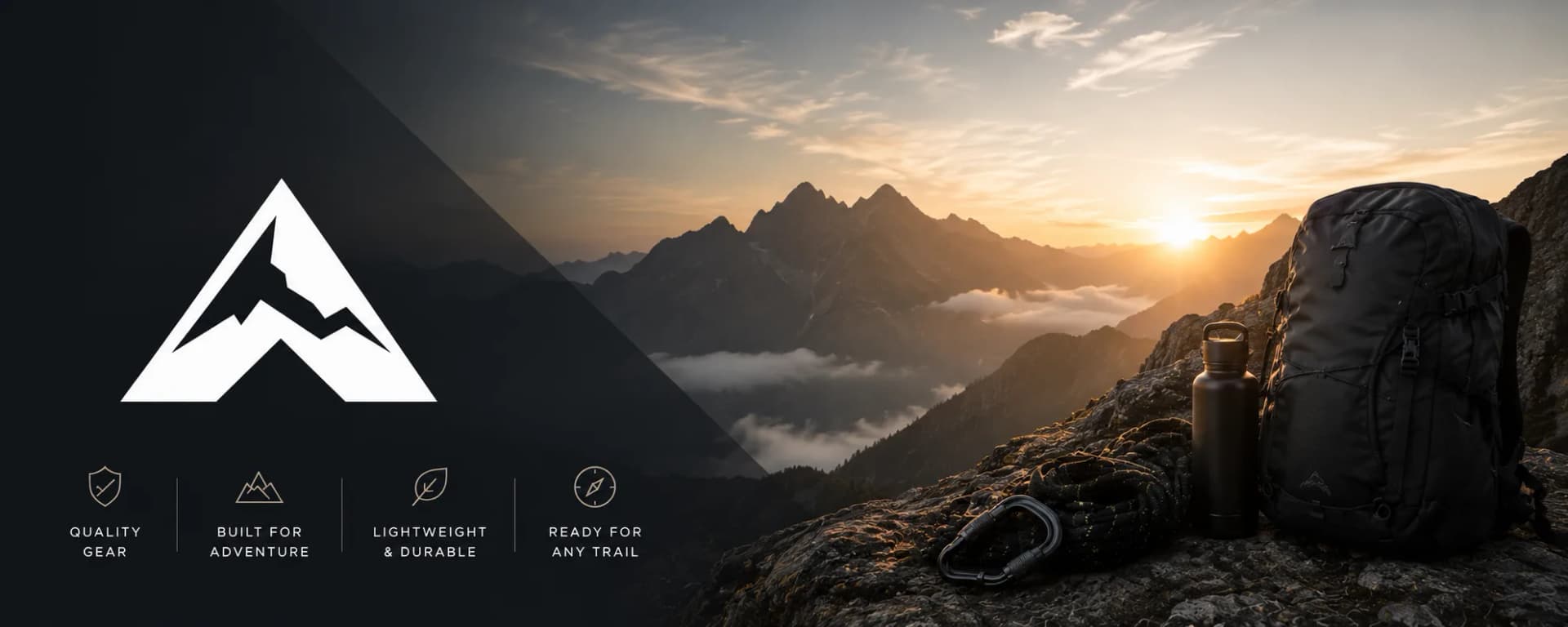
1. Choose the Right Backpack
Your backpack is the foundation of your hiking setup. A well-fitted backpack distributes weight evenly and helps reduce fatigue during long walks.
Recommended capacity:
Day hike: 15–30 liters
Weekend trip: 30–50 liters
Multi-day trek: 50+ liters
Look for adjustable shoulder straps, padded hip belts, and breathable back panels.
2. Wear Proper Footwear
Regular sneakers may work for short walks, but hiking trails often require better grip and support.
A quality hiking shoe or boot should provide:
Good traction
Ankle support
Water resistance
Comfortable cushioning
Your feet carry you through the entire journey, making footwear one of the most important investments for outdoor activities.
3. Pack Weather Protection
Weather conditions can change quickly, especially in mountainous areas.
Essential protection includes:
Waterproof jacket
Rain cover for backpack
Quick-dry clothing
Sun hat or cap
Even on sunny days, carrying a lightweight rain layer is highly recommended.
4. Stay Hydrated
Dehydration can significantly affect performance and safety on the trail.
Bring:
Water bottles
Hydration reservoir
Water filtration system for longer trips
Drink regularly instead of waiting until you feel thirsty.
5. Bring Reliable Lighting
Many hikers underestimate how quickly daylight disappears.
A headlamp should always be part of your pack, even during day hikes.
Benefits include:
Hands-free illumination
Emergency preparedness
Navigation after sunset
Always carry spare batteries or a rechargeable backup power source.
6. Carry Basic Navigation Tools
Technology is helpful, but batteries can fail.
Consider carrying:
Trail maps
Compass
GPS device
Offline navigation applications
Understanding basic navigation skills adds an important layer of safety during outdoor adventures.
7. Prepare an Emergency Kit
Every outdoor trip should include basic emergency equipment.
Recommended items:
First aid kit
Emergency blanket
Whistle
Fire starter
Multi-tool
These items take little space but can be invaluable when unexpected situations occur.
8. Dress in Layers
Layering allows you to adapt to changing temperatures throughout the day.
A simple layering system includes:
Base layer for moisture management
Mid layer for insulation
Outer layer for wind and rain protection
This approach keeps you comfortable in a wide range of conditions.
Final Thoughts
Successful hiking is not about carrying the most equipment—it's about carrying the right equipment.
Start with the essentials, learn from each trip, and gradually build a gear setup that matches your adventure style. Reliable equipment improves comfort, enhances safety, and allows you to focus on what matters most: enjoying the outdoors.
Before your next adventure, make sure your gear is ready for the trail ahead.